PVC Foam Board vs Sunboard: Differences, Applications & Selection Guide
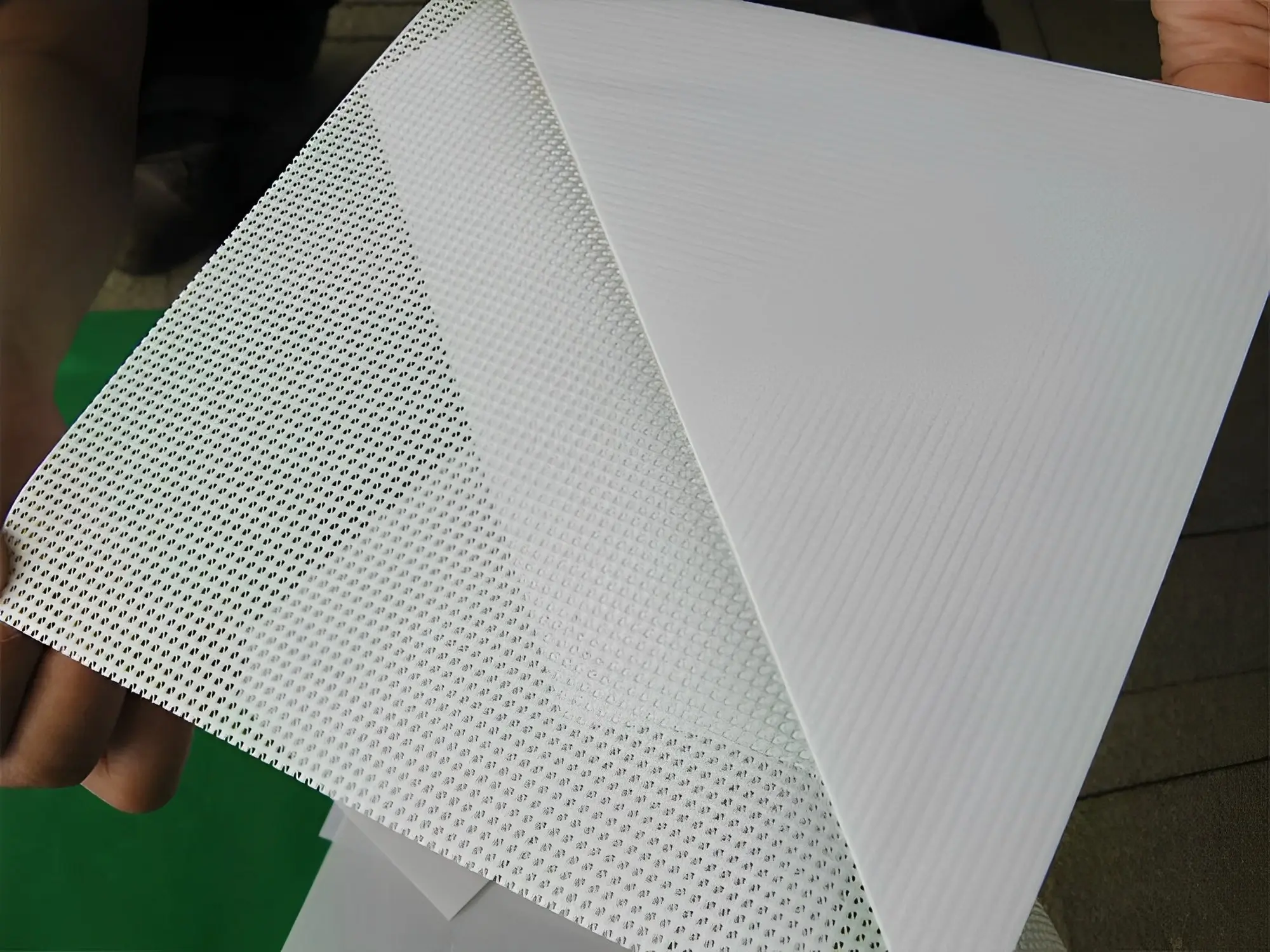
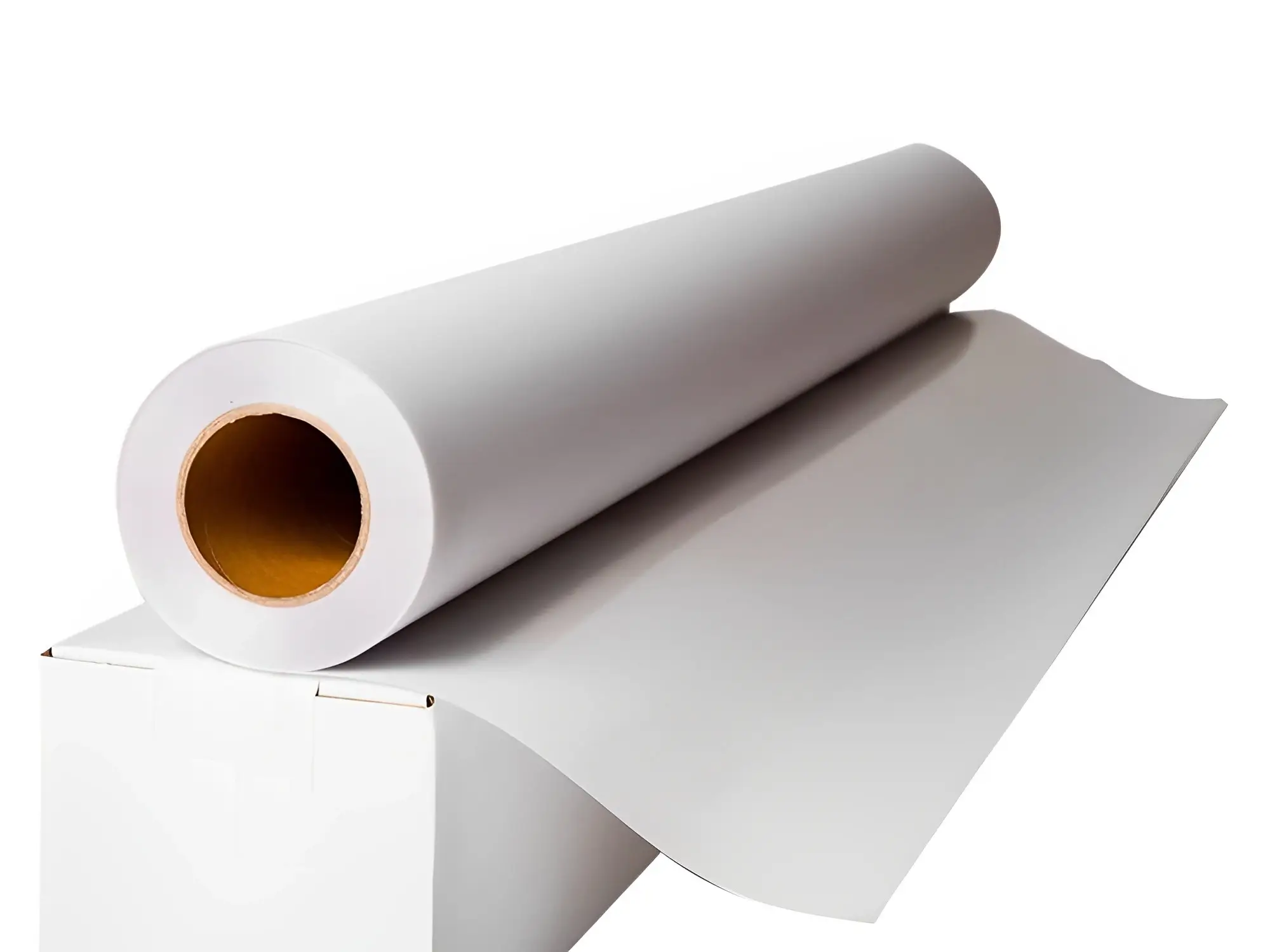
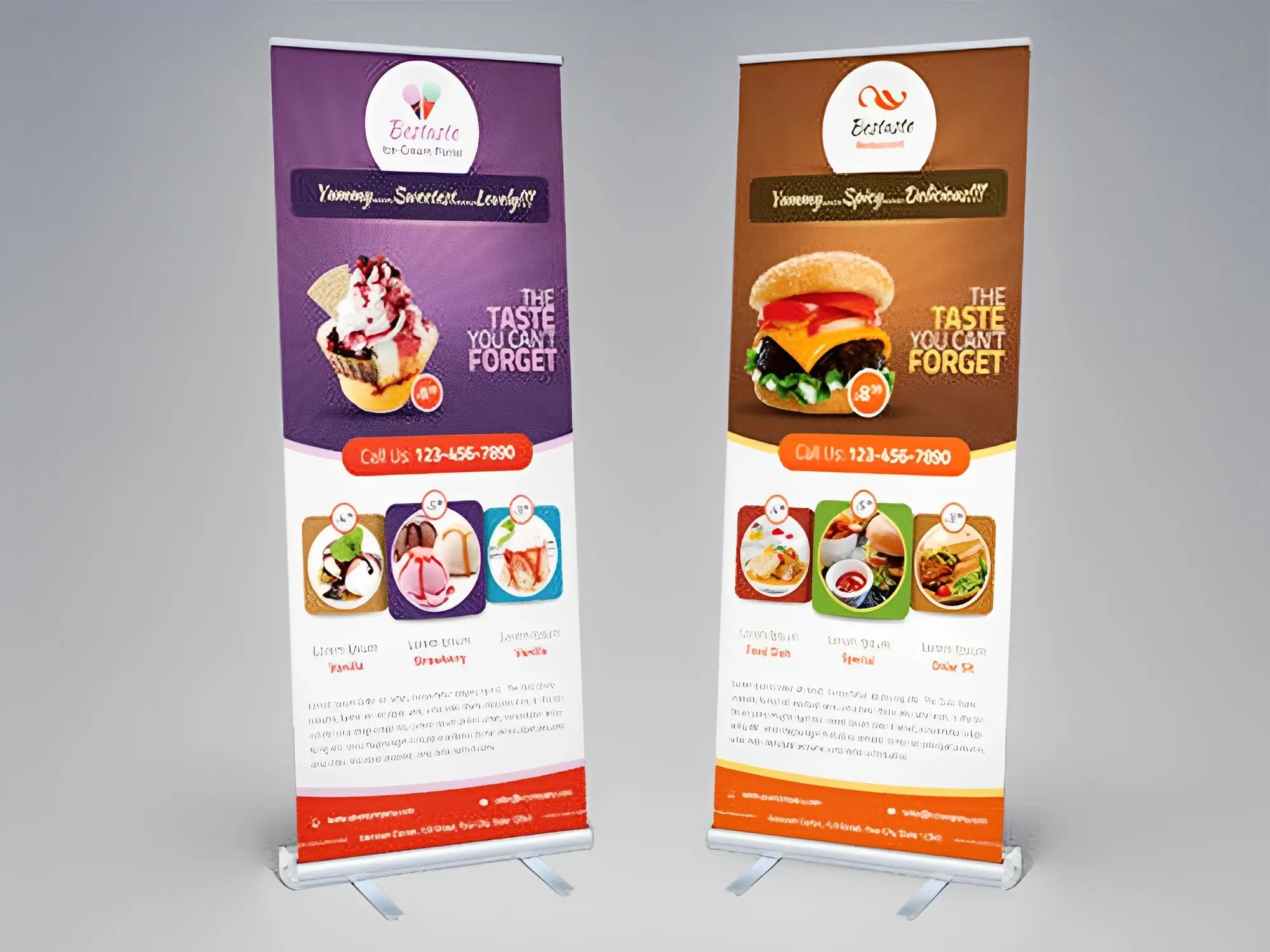
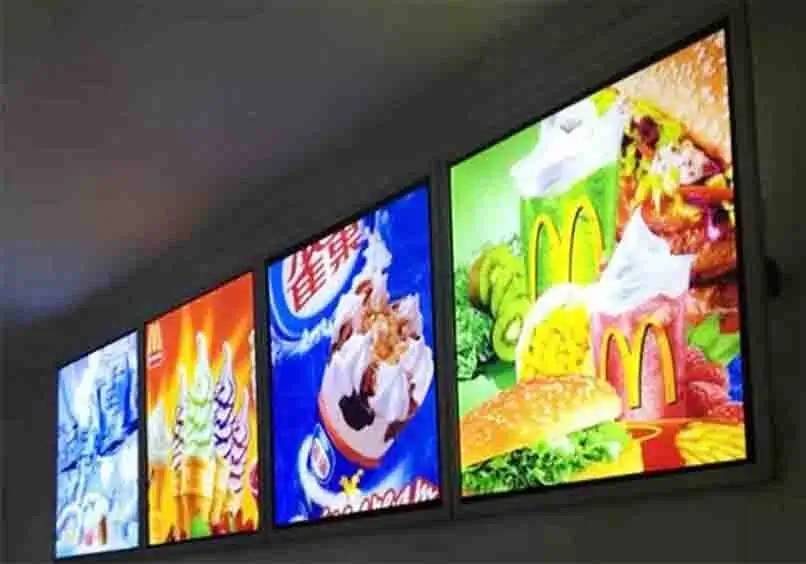
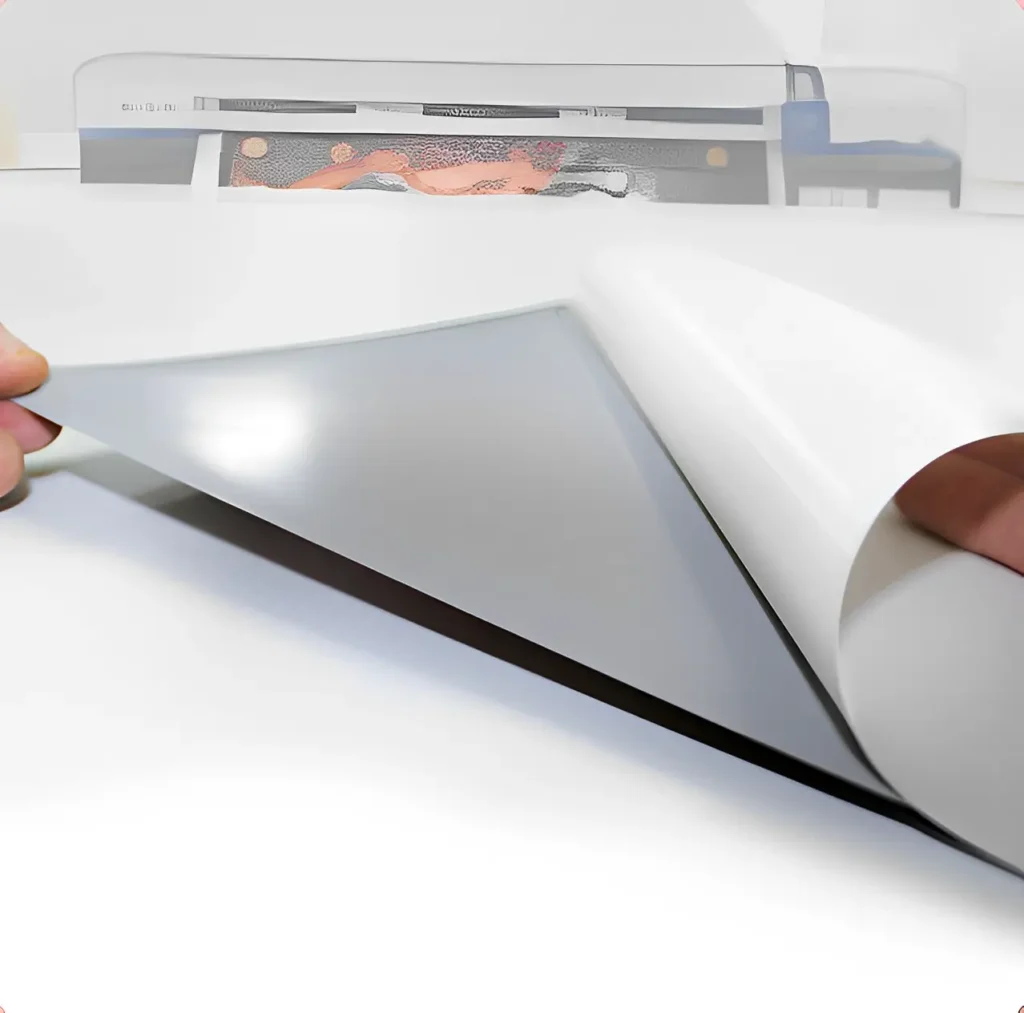
When ordering a signage board, you’ll often hear the question: PVC foam board or sunboard? Sunboard is a popular name in the Indian signage trade for expanded PVC foam sheets. But the name does not tell you how a particular board will perform. For printers, signage fabricators and retail display teams, the relevant comparison is between board specifications: thickness, density, surface quality, panel size and installation conditions. In this guide, we’ll tell you what to look for before ordering. What is PVC Foam Board? PVC foam board is a light expanded rigid PVC sheet for signage, graphic panels and display fabrication. Depending on the grade of the board and printing system, its flat surface can be used for direct printing or for the application of printed self-adhesive vinyl. It gives a hard surface for display as opposed to the flexible banner media. Typical uses include retail promotions, indoor directional signage, exhibition panels, menu boards, office branding and POS displays. Is Sunboard different from PVC foam board In the informal Indian sign language, the two names are likely to refer to the same broad material category. They should not be treated as a guarantee of identical quality. Boards sold under either description may differ in density, surface finish, thickness and intended use. When comparing quotations, ask for the actual grade and specifications. Compare equivalent sheets and don’t just pick by product name or the cheapest price. Selecting the right sheet Panel size and thickness Thickness determines stiffness, weight and maneuvering. Also, consider the panel size and support configuration. A large, unsupported panel will have different needs than a small panel secured to a flat wall. A heavier sheet isn’t always the best choice for every project. Density and consistency Weight, rigidity, fabrication performance can be affected by density. Compare boards of the same thickness and intended grade. Check for consistency of thickness, flatness and suitability of sample for your fixing method. Density is not alone the overall quality. Surface and print quality Look for a clean, uniform surface without any dents or other visible defects. For brand graphics, check the color reproduction and ink adhesion on the printer to be used. Having a small production trial is more useful than judging the unprinted sheet alone. Installation and handling Will you have full backing, a frame, point fixings or freestanding base for the panel? A lighter spec may be possible with suitable backing depending on the size of the panel and the fixing requirements. Edge protection and handling are also important for frequently shipped displays. Indoor or outdoor exposure There are many signage applications indoors but outdoor suitability is grade dependent. For exterior work, consult the manufacturer’s technical data, expected exposure, heat and sunlight and mounting requirements. Do not depend on water resistance alone for outdoor durability; allow for thermal movement. Direct printing or mounted vinyl printing The artwork is UV flatbed printed directly onto the board. Make sure the sheet, ink and curing settings are compatible and check adhesion before going into full production. Vinyl mounting is the application of a self-adhesive graphic printed separately on the sheet. Check for surface cleanliness, adhesive compatibility and application quality. Lamination may be needed to protect the graphic, but lamination doesn’t make an unsuitable board suitable for all environments. Application Selection Verification Application Priority checks Priority checks Wall-mounted retail graphics Flatness, finish, print compatibility and backing Exhibition panels Weight, frame support, transport and repeated handling Freestanding displays Panel size, rigidity, base stability and reinforcement Routed letters and shapes Grade, thickness, edge finish and fixing method Outdoor signs Confirmed exterior suitability, heat exposure and mounting Avoid these common buying mistakes Price comparison without matching density, thickness, sheet size and grade. Selecting thickness without considering panel size and support. Assuming the same print performance of all the PVC foam sheet. Using an indoor grade outdoors without checking the technical specifications. Skipping a sample trial for an unknown board, ink or adhesive. Frequently asked questions Are Sunboard and PVC foam board the same? In India, Sunboard is frequently used to refer to expanded PVC foam board in signage. Please confirm the actual grade and specifications as products sold under these names can vary. Can PVC foam board be printed directly? Compatible grades can be printed on appropriate direct-printing equipment such as UV flatbed systems. Check the board and ink combination for print quality and bonding. Can it be used outdoors? Some grades are intended for exterior applications. Choose based on the manufacturer’s specifications, exposure conditions and installation design rather than the generic name of the material. What thickness should I order? There is no one thickness for all signs. Before choosing a specification, please share the panel size, support arrangement, handling requirements and intended environment. Is PVC foam board suitable for illuminated sign faces? Standard opaque PVC foam board is generally used for non-illuminated panels or other suitable sign components. A face that needs to transmit light requires an appropriate translucent material. Choose your signage board with Maruti Flex Looking for PVC foam board for your next sign or display project? Tell Maruti Flex about the application, panel size, quantity, printing method and installation conditions of your product. Our team is able to help you compare suitable options and confirm available sizes, thicknesses and grades.